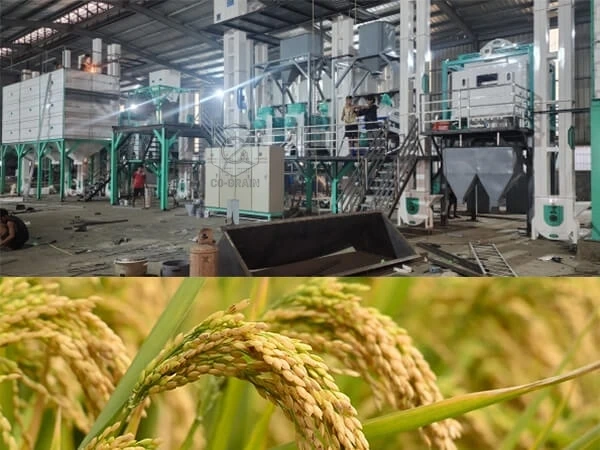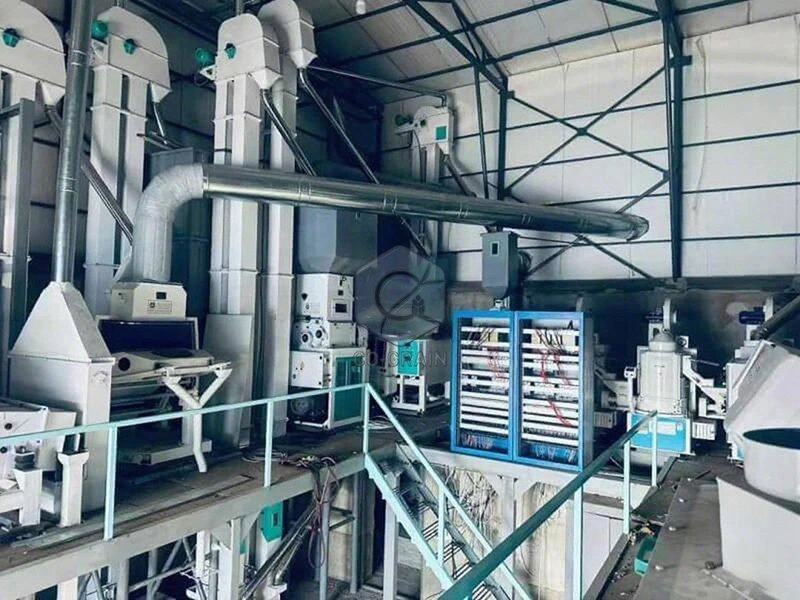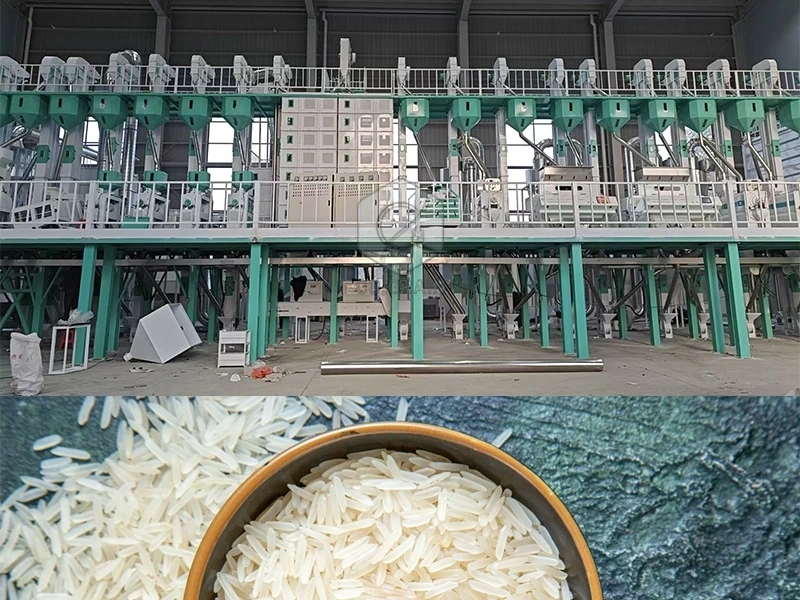
Leading Innovation in Rice Milling: A Successful 100T Project in Nigeria
25.01.22

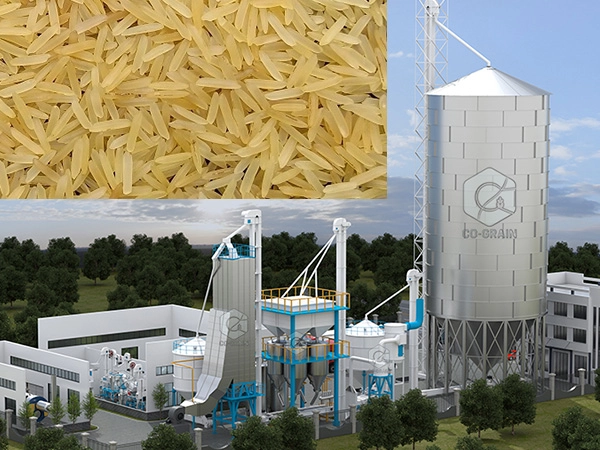
Understanding the full parboiled rice production process is critical for building an efficient, high-yield, and profitable rice milling plant. Compared with traditional rice processing, parboiling significantly improves rice quality, nutritional value, and milling recovery.
This comprehensive guide walks you through each stage of the process, including key equipment, technical parameters, and practical optimization tips.
Pre-cleaning is the first and essential step in the parboiled rice process. It removes unwanted impurities from raw paddy to protect downstream equipment and ensure stable processing.
Impurities Removed:
Key Equipment:
✅ Benefit: Cleaner raw material reduces machine wear, improves processing efficiency, and enhances final rice quality.
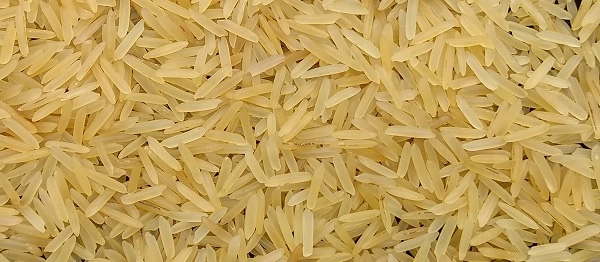
Soaking plays a crucial role in preparing the paddy for the parboiling stage. It allows water to penetrate the grain, increasing moisture content and enabling uniform starch gelatinization during steaming.
Technical Parameters:
Process Tips:
✅ Benefit: Proper soaking ensures better grain integrity and improved head rice yield.
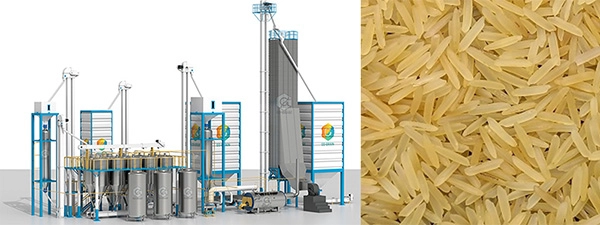
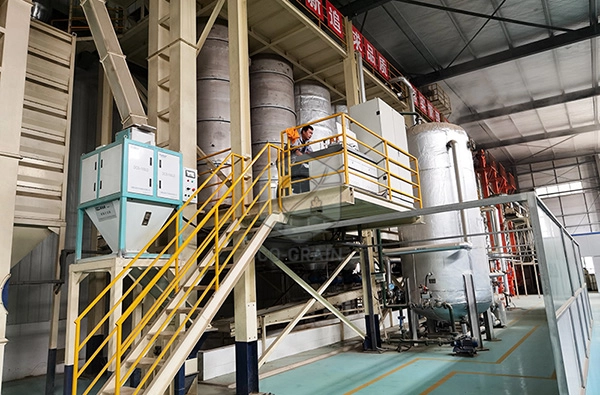
Steaming is the core of the parboiling process. Under controlled pressure and temperature, the starch inside the rice grain gelatinizes, making the grain harder and more resistant to breakage.
Key Functions:
Equipment Used:
Technical Parameters:
Optimization Tips:
✅ Benefit: Produces stronger grains with higher nutritional value and better milling performance.
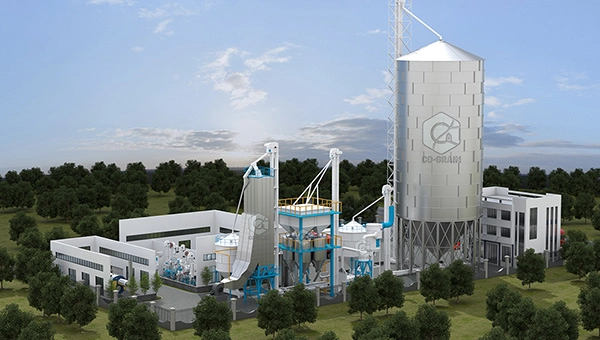
Drying is one of the most sensitive stages in the entire process. Improper drying can lead to grain cracking, reduced yield, and poor rice appearance.
Multi-Stage Drying Process:
Target Moisture Content: 13–14%
Best Practices:
✅ Benefit: Minimizes grain breakage and ensures high-quality finished rice.
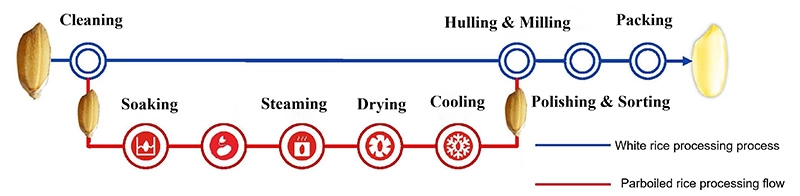
After drying, the paddy enters the rice milling section, where it is processed into finished white rice.
Main Milling Steps:
Result: High-quality, uniform, and market-ready rice.
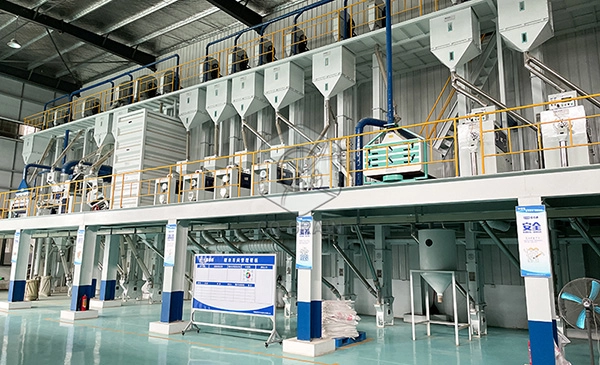
A modern parboiled rice processing plant typically includes:
Integrated turnkey solutions can significantly improve efficiency, reduce labor costs, and ensure consistent product quality.
Causes:
Solutions:
Causes:
Solutions:
Causes:
Solutions:
Improve process automation and monitoring
Use high-efficiency rice milling equipment
Investing in a well-designed parboiled rice production line can significantly improve rice quality, increase milling yield, and boost profitability. By optimizing each stage—from pre-cleaning to milling—you can achieve a more efficient, reliable, and scalable rice processing operation.
Looking to build or upgrade your rice mill? A customized turnkey parboiled rice solution can help you maximize your return on investment.
Founded in 2000, Henan Co-Grain Machinery Engineering Co., Ltd. is a leading manufacturer and exporter specializing in one-stop rice processing solutions. We offer everything from customized rice mill equipment to complete plant designs and installation services, tailored to the unique needs of each customer and site. By integrating technology, manufacturing, and sales, we deliver high-quality, efficient, and reliable rice processing systems that enhance your business operations. Whether you are starting a new rice milling business or expanding an existing one, we provide professional design, comprehensive guidance, and ongoing support to ensure your success.
Get in touch with us for a personalized consultation on your rice processing needs.
Contact Us Today!
Henan Co-Grain Machinery Engineering Co., Ltd.
Email: info@ricemillplants.com
WhatsApp: 0086-18339828199
Let us help you build the perfect rice processing plant with our one-stop solution!
Let us be your solutions source.